
This should not be regarded as a replacement for professional healthcare guidance and is not meant to serve as medical advice. By eliminating the problematic byproducts of combustion, these technologies imitate the intricate flavor profiles and effects desired by flower smokers. The connection between cannabis and thyroid issues is more intricate than many anticipate — with research offering no definitive conclusions. Our aim is to improve people’s lives by altering the perception surrounding cannabis. This clearly highlights the necessity for products that are produced safely and tested by third parties, which are accessible only through regulated and legal markets.
Some concentrates—especially distillates—can be consumed orally or infused into edibles. Because of their versatility, cannabis concentrates are now used in everything from vaporizers and dab rigs to edibles and topicals. Technically (tinctures and edibles are concentrates), but in this article we’re going to focus on concentrates that can be smoked or vaped. The resulting wax concentrate boasts a THC concentration ranging from 60% to 90%, making it a potent option for experienced consumers.
At The Distro — one of the easiest ways to enjoy cannabis concentrates is through vape cartridges. Due to its natural extraction technique — rosin is often regarded as a top-tier cannabis concentrate. Produced by applying heat and pressure to cannabis flower or hash, rosin is a concentrate that requires no solvents. Typically, the effects last between 2 to 4 hours, which is shorter compared to edibles or tinctures.
Basic THC oil or hash oil is created using alcohol to extract the resin found in the cannabis plant. The terms THC oil and hash oil are frequently used to classify all varieties of oil extracts derived from the cannabis plant. Nevertheless, a variety of reliable CBD oils and THC tinctures can be found in most local dispensaries. This wax is often viewed as more challenging to handle and less favored than other concentrates due to its tendency to crumble. In 2023 (cartridges containing live resin are now available), making consumption easier for consumers.
Their potency means that less product is needed to achieve desired effects, positioning cannabis concentrates as a cost-effective choice for frequent users. THC oil and vape cartridges offer a smokeless, odorless experience that is ideal for discreet cannabis consumption in social or public environments. Often utilized in vape cartridges, THC oil is a liquid concentrate that has been highly refined.
This method is preferred by many users for its cleaner and smoother experience compared to smoking. Another risk is the lack of regulation in the production of concentrates — which can result in products containing harmful contaminants if not properly manufactured. One concern with cannabis concentrates is the potential for overconsumption (leading to adverse effects such as increased heart rate), anxiety, and paranoia. Understanding both the pros and cons of concentrates can help users make informed decisions based on their preferences and needs. When it comes to choosing the right cannabis concentrate for you, oil stands out due to its flexibility and strength.
This method is known as “ice water hash” or “bubble hash.” It produces a high-quality, solvent-free concentrate but can be time-consuming and labor-intensive. This method is considered safe and environmentally friendly but can be costly. Cannabis concentrates and extracts are made using various methods of extraction, each with its unique pros and cons. It’s essential to understand the differences between the two and choose a concentrate that meets your needs and preferences. Solvent-based concentrates may offer higher potency, but solvent-free concentrates are generally considered safer and purer. Solvent-free extraction methods, on the other hand, are generally considered to be safer.
Rosin is a solventless extract created through heat and pressure. The result is a highly aromatic and flavorful concentrate. Understanding the various forms of cannabis concentrates can help you find the right product for your needs. This process uses chemical solvents like butane, propane, ethanol, or CO2 to dissolve and isolate cannabinoids and terpenes. But what are cannabis concentrates — and why are they taking over dispensary menus across the United States?
weed shop | FAQs: Using Cannabis Concentrates
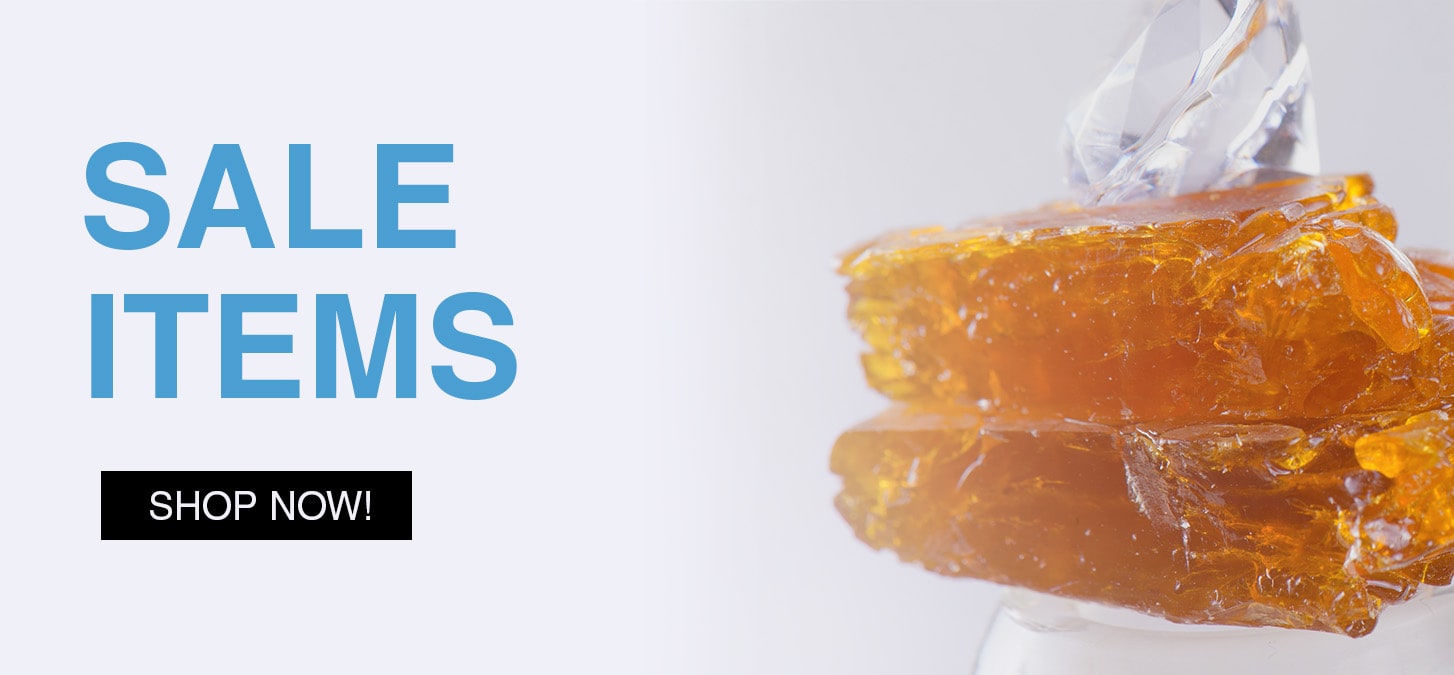
Some clinical weed shop studies suggest that long-term frequent use of cannabis concentrates can affect cognition and contribute to mental health disorders. Clinical-grade cannabidiol (CBD) has been shown to reduce symptoms of muscle spasms for people living with Epilepsy. Patients in hospice care may be approved to use medical cannabis concentrates. However (distillate concentrations are much higher), averaging 60% to 95% THC. This type of concentrate can also be found under the names crumble wax or honeycomb.
Understanding the Science Behind Cannabis Concentrates

The resulting cannabinoid-rich vapor is condensed and collected – while residual solvents, chlorophyll and other unwanted plant matter are left behind. After extraction — the distillate is run through a purification process several times. Because CBD is totally legal, making CBD oil from hemp is legal and results in no legal ramifications for possession or manufacturing.
Various Categories of Cannabis Concentrates
A cannabis concentrate is a processed cannabis product designed to isolate and intensify the plant’s active compounds. They come in various forms such as shatter, wax, budder, live resin, rosin, crumble, distillate, and oil. Keep experimenting (stay informed), and enjoy discovering the perfect cannabis concentrate that suits your taste and desired effects. Understanding the characteristics (benefits), and drawbacks of each type equips you to make informed decisions based on your preferences and needs.
The Basics of Cannabis Concentrates 101

Of course, hash is no recent concept—cannabis enthusiasts were rolling sticky cannabis plants by hand to gather concentrated wads for smoking hundreds of years ago—but the extraction game has transformed over the past decade. Dry herb vaporizers and live resin cartridges create the closest experience to smoking flower, preserving the full spectrum of cannabinoids and terpenes that traditional oil vapes often strip away. However, all medical and legal solvent-based cannabis concentrates produced are purged and tested extensively to ensure residual levels are in accordance with local regulations , usually in PPM,. Most store-bought edibles are made using concentrate/extract as well, but edibles are generally considered to be a separate category of products. Vape pens and cartridges also contain cannabis concentrate, often in the form of distillate.
Rather, THCa needs to be heated through vaping or smoking in order to convert the THCa into THC. THCa isolate is the strongest form of cannabis concentrate, with a purity level that approaches 100%. The solvent-based extraction needed for many cannabis concentrates is a delicate chemical process that requires careful procedures and precise laboratory conditions. The end result is a product rich in terpenes with cannabinoids testing as high as 99.99%. High Terpene Extract (HTE) is a live cannabis extract that has a thick and sticky consistency similar to honey. Shatter is one of the most potent cannabis concentrates, often containing THC levels ranging from 70% to 90%.
Crumble (also known as honeycomb or crumble wax), is a type of cannabis concentrate with a soft, crumbly texture. Since it is created without the use of any solvents (rosin retains the plant’s natural compounds), providing consumers with a pure and unadulterated product. On the other hand — cured rosin is produced from dried and cured cannabis buds, offering a different set of characteristics. There are various forms of rosin, with two main types being live rosin and cured rosin.
